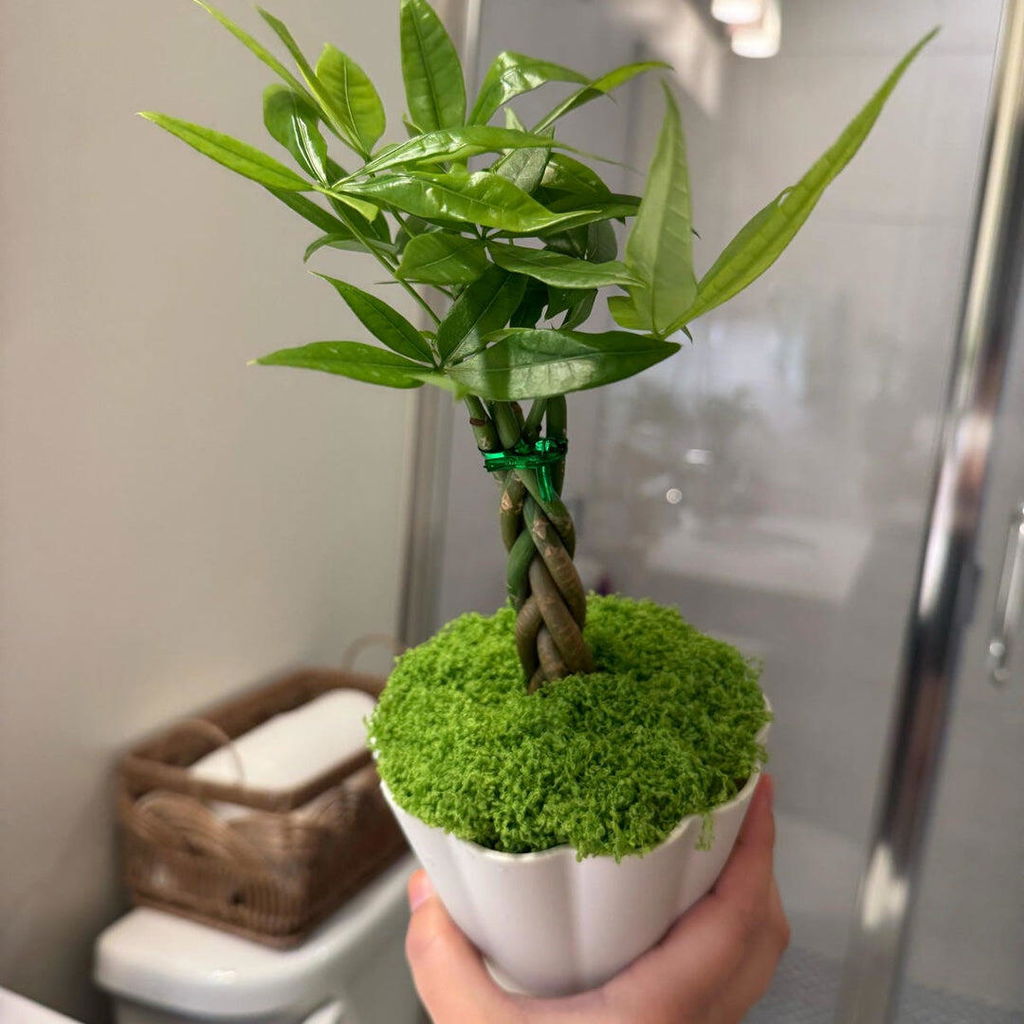
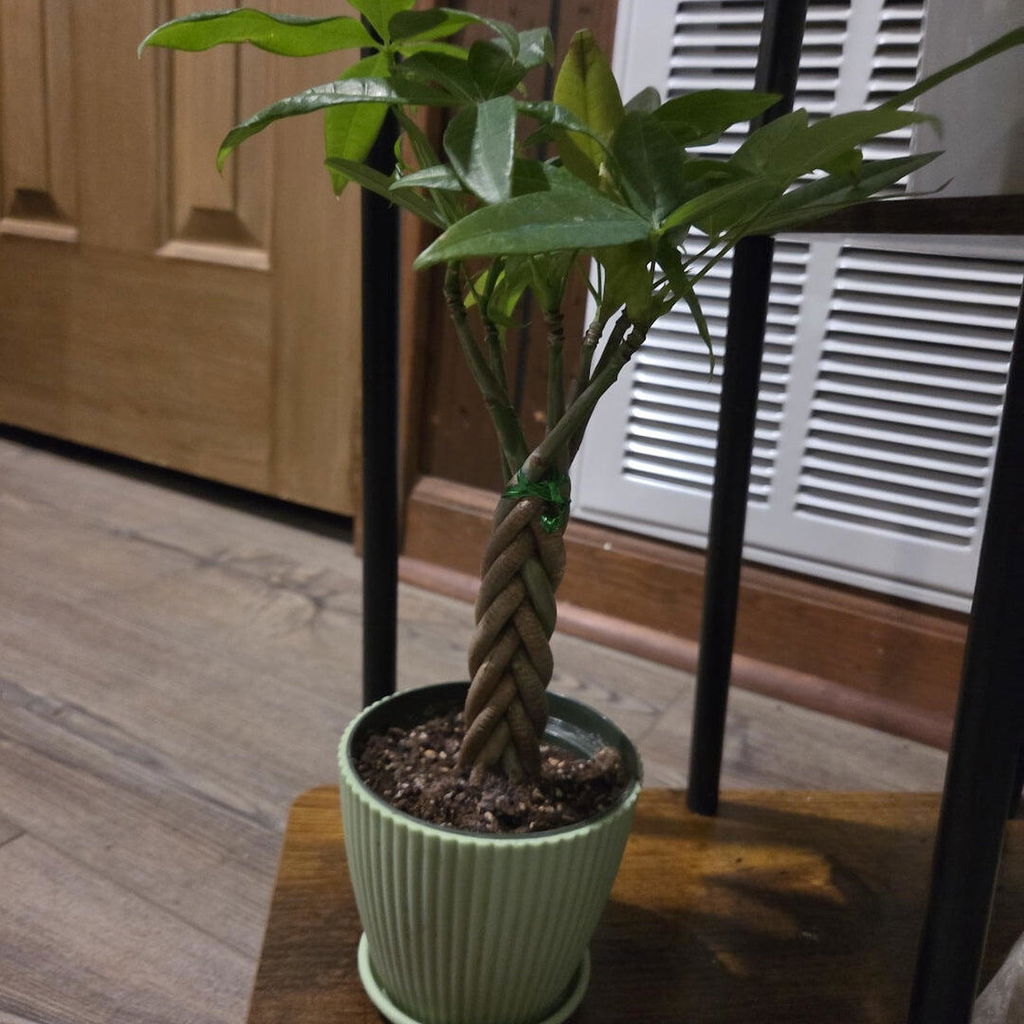
Walk into any trendy café, modern office, or cozy American home these days, and there’s a good chance you’ll spot a Pachira aquatica—better known as the Money tree. With its braided trunk, lush green palmate leaves, and reputation for bringing good fortune, it’s easy to dismiss this plant as just another decorative “lucky charm.” But dig deeper, and you’ll discover that the money tree is far more than a pretty face. From purifying the air you breathe to boosting your mental health, reducing stress, and even enhancing your home’s aesthetic appeal without requiring a green thumb, this versatile houseplant offers a wealth of benefits that resonate with busy, health-conscious Americans. Whether you’re a seasoned plant parent or a complete beginner, growing a money tree indoors can transform your living space—and your well-being—in ways you might never expect.

1. Natural Air Purification: Breathe Cleaner, Healthier Air
In the United States, indoor air pollution is a silent threat that often goes overlooked. According to the Environmental Protection Agency (EPA), indoor air can be 2 to 5 times more polluted than outdoor air, filled with volatile organic compounds (VOCs) like formaldehyde, benzene, and trichloroethylene. These toxins come from everyday items: furniture, carpeting, cleaning products, and even electronics. Over time, exposure can lead to headaches, fatigue, respiratory issues, and long-term health risks. This is where the money tree shines as a natural air purifier.

A landmark study by NASA (yes, the space agency!) on indoor plants and air quality identified Pachira aquatica as one of the top plants for removing harmful VOCs from enclosed spaces. The money tree’s large, glossy leaves act as natural filters: they absorb toxins through tiny pores and break them down into harmless byproducts, releasing fresh oxygen in return. Specifically, it’s highly effective at neutralizing formaldehyde (found in plywood, paint, and synthetic fabrics) and benzene (present in plastics, detergents, and even some cosmetics). For Americans living in urban areas or apartments with limited ventilation, this means a noticeable improvement in air quality. I noticed the difference myself after placing a money tree in my small Brooklyn apartment: my morning allergies diminished, and I no longer felt that stuffy, sluggish feeling after spending hours indoors.

But the money tree’s air-purifying superpowers don’t stop there. It also helps regulate humidity levels. In dry climates like Arizona or during winter months when heating systems suck moisture from the air, the plant releases water vapor through transpiration, adding much-needed humidity to your home. This can alleviate dry skin, chapped lips, and irritated nasal passages—common complaints among Americans during harsh weather. Unlike electric humidifiers, which require maintenance and energy, the money tree does this work passively, making it an eco-friendly solution for healthier indoor air.

2. Mental Health Boost: Reduce Stress and Elevate Mood
Americans are no strangers to stress. Between long work hours, busy family schedules, and the constant buzz of digital life, anxiety and burnout have become pervasive issues. Studies show that spending time with nature can counteract these effects—but for those living in cities or without access to gardens, indoor plants offer a convenient alternative. The money tree, with its vibrant green foliage and calming presence, is particularly effective at boosting mental health.
Research from the University of Michigan found that interacting with indoor plants can reduce cortisol levels (the “stress hormone”) by up to 22% and improve mood within minutes. The money tree’s lush, tropical leaves evoke a sense of calm and connection to nature, even in the middle of a concrete jungle. For remote workers or students spending hours at home, placing a money tree on a desk or near a window can create a more peaceful workspace, reducing feelings of overwhelm and increasing focus. I’ve noticed that on particularly stressful workdays, glancing at my money tree’s bright leaves instantly helps me take a deep breath and reset—something I never expected from a houseplant.

Additionally, the money tree’s association with good luck and prosperity can have a positive psychological impact. While the “luck” aspect is rooted in folklore (originating from a poor Taiwanese farmer who found the plant and attributed his newfound wealth to it), the placebo effect is real. Believing that your plant is bringing positivity into your home can boost optimism and create a more mindful, grateful mindset. In a culture that often focuses on achievement and success, the money tree serves as a gentle reminder to slow down and appreciate the small, growing things in life—fostering a sense of contentment that’s hard to find in the hustle and bustle of American life.

3. Low-Maintenance Beauty: Perfect for Busy Lifestyles
Let’s be honest: most Americans don’t have the time or patience for high-maintenance houseplants. We want greenery that looks beautiful without requiring daily care, frequent watering, or specialized knowledge. The money tree checks all these boxes, making it an ideal plant for busy professionals, new homeowners, or anyone who’s ever killed a succulent (guilty!).
One of the money tree’s greatest strengths is its drought tolerance. Unlike ferns or calatheas, which demand consistent moisture, the Pachira aquatica stores water in its thick, braided trunk—allowing it to go weeks without watering. This is a game-changer for forgetful plant parents or those who travel frequently. I once left my money tree unattended for three weeks while on vacation, and when I returned, it was still thriving—no wilted leaves, no root rot, just as healthy as when I left it. The key is to let the soil dry out completely between waterings (stick your finger 2-3 inches into the soil; if it’s dry, it’s time to water) and avoid overwatering, which is the number one cause of death for houseplants.

The money tree also adapts well to a variety of light conditions, another plus for American homes with inconsistent lighting. While it prefers bright, indirect light (think near a window with a sheer curtain), it can tolerate low-light areas like hallways or bedrooms—though it may grow more slowly. It’s not picky about temperature either: it thrives in the typical American home’s temperature range of 65-80°F (18-27°C) and can handle occasional dips as low as 50°F (10°C), making it suitable for both warm and cool climates.

Pruning is minimal, too. The money tree grows at a moderate pace, and you only need to trim yellow or dead leaves (using clean, sharp scissors) to keep it looking neat. You can also shape it by pinching back new growth if you prefer a bushier plant. Unlike some houseplants that require repotting every year, the money tree is happy in the same pot for 2-3 years—saving you time and money on soil and containers. For busy Americans, this low-maintenance nature means you can enjoy the benefits of a lush houseplant without the stress of constant care.
4. Aesthetic Versatility: Elevate Any Home Decor Style
Americans take pride in their homes, and the right decor can turn a house into a sanctuary. The money tree’s unique appearance makes it a versatile addition to any interior design style—from modern minimalism to bohemian chic, coastal cottage to industrial loft. Its braided trunk adds texture and visual interest, while its bright green leaves bring life and color to neutral spaces.

In a modern, minimalist home (popular in cities like Los Angeles and Seattle), a tall money tree in a sleek ceramic pot can serve as a statement piece, adding height and warmth without cluttering the space. For bohemian-style homes, pair it with a macramé hanger or a terracotta pot with hand-painted designs to enhance the earthy, free-spirited vibe. In coastal homes, the money tree’s tropical leaves complement nautical decor, evoking the feeling of a beachside retreat—even if you’re miles from the ocean. I’ve seen money trees used in entryways as a welcoming focal point, in living rooms as a natural divider between seating areas, and even in bedrooms (where its air-purifying benefits and calming presence promote better sleep).

Another advantage is the money tree’s size flexibility. You can find small, tabletop versions (perfect for apartments or desks) or large, floor-standing plants that reach 6-8 feet tall (ideal for spacious living rooms or home offices). This adaptability means you can find a money tree that fits your space, whether you’re living in a tiny studio in New York City or a sprawling suburban home in Texas.

Unlike artificial plants, which collect dust and look fake over time, the money tree is a living, breathing addition to your home. Its leaves change slightly with the seasons (growing more vibrant in spring and summer, slightly darker in fall and winter), adding a dynamic element to your decor. Plus, watching it grow—new leaves unfurling, the trunk thickening—gives you a sense of accomplishment and connection to your home. For Americans who want to make their living spaces feel more inviting and personal, the money tree is a decor investment that pays off in beauty and emotional value.
5. Pet-Friendly and Family-Safe: Perfect for Household with Kids and Pets
For many American families, pets and kids are part of the household—and safety is a top priority when choosing houseplants. Unfortunately, many popular indoor plants (like pothos, philodendron, and lilies) are toxic to dogs and cats, posing a risk if ingested. The money tree, however, is non-toxic to both pets and humans, according to the American Society for the Prevention of Cruelty to Animals (ASPCA). This makes it a worry-free choice for families with curious toddlers, playful dogs, or mischievous cats.

I have two cats who love to chew on plants, and I’ve never had to worry about them getting sick from nibbling on my money tree’s leaves. While the plant isn’t “edible” (and may cause mild stomach upset if eaten in large quantities), it won’t cause serious harm—unlike toxic plants that can lead to vomiting, diarrhea, or even organ damage. For parents, this means you can let your kids help care for the money tree (watering it, wiping the leaves) without fear of them getting poisoned. It’s a great way to teach children about responsibility and nature, while adding a safe, green element to your home.

In a country where 67% of households own a pet (according to the American Pet Products Association), the money tree’s pet-friendly nature is a major selling point. It allows plant lovers to enjoy greenery without sacrificing the safety of their furry family members—a balance that’s hard to find with many other houseplants.
6. Feng Shui and Positive Energy: Cultivate Prosperity (and Mindfulness)
While the money tree’s scientific benefits are compelling, its cultural significance can’t be ignored—especially for Americans interested in mindfulness, wellness, and holistic living. Originating from Southeast Asia, the money tree is a staple in Feng Shui, the ancient practice of arranging spaces to promote positive energy. According to Feng Shui principles, the money tree’s braided trunk symbolizes unity and strength, while its five-lobed leaves represent the five elements (wood, water, fire, earth, metal) and bring luck, prosperity, and abundance.

But you don’t have to be a Feng Shui expert to benefit from this symbolism. Many Americans are drawn to the money tree because it serves as a visual reminder of their goals—whether that’s financial stability, career success, or personal growth. Placing a money tree in the “wealth corner” of your home (according to Feng Shui, the southeast corner of your living room or bedroom) is thought to attract prosperity, but even if you don’t follow strict Feng Shui rules, the plant’s presence can foster a mindset of abundance.

I placed my money tree near my home office desk, and while I don’t believe it’s magically increasing my bank account, it has become a symbol of my commitment to hard work and growth. Every time I water it or dust its leaves, I take a moment to reflect on my goals and express gratitude for what I have—a small mindfulness practice that has made me more intentional about my life. In a culture that often focuses on “more, more, more,” the money tree encourages us to appreciate growth in all forms, not just financial.
7. Educational Value: Teach Kids (and Adults!) About Nature and Growth
In an increasingly digital world, many Americans—especially children—are disconnected from nature. Growing a money tree indoors is a simple, hands-on way to teach kids about plant biology, responsibility, and the importance of caring for living things. Kids can learn about photosynthesis (how plants turn light into energy), root systems (why it’s important not to overwater), and growth cycles (watching new leaves sprout and mature).

My 8-year-old niece loves helping me care for my money tree. She’s in charge of checking the soil moisture every week and keeping track of new leaf growth in a little notebook. Through this process, she’s learned about patience (plants don’t grow overnight!), responsibility (if you forget to water, the leaves wilt), and the rewards of nurturing something. It’s a valuable lesson that translates to other areas of life—like schoolwork, friendships, and personal goals.

Even for adults, growing a money tree can be a learning experience. If you’re new to gardening, you’ll learn about soil types (the money tree prefers well-draining, peat-moss-based soil), fertilization (feed it once a month during spring and summer with a balanced liquid fertilizer), and pest control (it’s resistant to most pests, but occasional spider mites can be treated with neem oil). It’s a low-pressure way to develop a green thumb and gain confidence in caring for other plants.

8. Cost-Effective and Long-Lasting: A Worthwhile Investment
Let’s talk about value. Americans are always looking for ways to get the most bang for their buck, and the money tree delivers. Unlike cut flowers, which wilt after a week or two, a money tree can live for decades with proper care. A small money tree costs between 15−30 at most garden centers or online retailers (like The Sill or Etsy), and a larger, mature plant ranges from 50−100. Considering its lifespan and the countless benefits it provides—air purification, mental health support, decor value—it’s a fraction of the cost of other home improvements (like air purifiers, humidifiers, or expensive decor).
Plus, the money tree is easy to propagate, meaning you can grow new plants from cuttings and share them with friends and family—saving money on gifts or adding more greenery to your home for free. Propagation is simple: take a 4-6 inch cutting with a few leaves, dip the end in rooting hormone (optional), and place it in water or moist soil. In a few weeks, roots will start to grow, and you’ll have a new money tree to enjoy.

Compared to other houseplants that require frequent replacement (like calatheas or ferns, which are prone to dying if not cared for perfectly), the money tree is a durable, long-lasting investment. It’s a plant that grows with you—from a small tabletop plant in your first apartment to a tall, majestic centerpiece in your dream home. For Americans looking to make smart, sustainable purchases for their homes, the money tree is an excellent choice.
How to Grow and Care for Your Money Tree (Quick Tips for Success)
To help you get the most out of your money tree, here are some simple care tips tailored to American homes:
Light: Bright, indirect light is best (avoid direct sunlight, which can scorch the leaves). If you have low light, place it near a window with a sheer curtain or use a grow light (LED grow lights are energy-efficient and affordable).

Watering: Let the soil dry out completely between waterings. Water thoroughly until water drains out of the bottom of the pot, then empty the saucer to prevent root rot. In winter, water less frequently (every 3-4 weeks).
Soil: Use a well-draining potting mix, like a combination of peat moss, perlite, and potting soil (or buy a pre-made tropical plant mix from your local garden center).Temperature: Keep it in a room between 65-80°F (18-27°C). Avoid drafty areas (like near windows or doors in winter) and air conditioning vents.
Fertilizer: Feed once a month during spring and summer with a balanced liquid fertilizer (diluted to half strength). Stop fertilizing in fall and winter, when growth slows down.
Pruning: Trim yellow or dead leaves as needed. To encourage bushier growth, pinch back the tips of new stems.
Repotting: Repot every 2-3 years, or when the roots start to grow out of the drainage holes. Choose a pot that’s 1-2 sizes larger than the current one.

Final Thoughts: Why Every American Home Should Have a Money Tree
The money tree is more than just a lucky plant—it’s a hardworking, versatile addition to any indoor space that offers tangible benefits for your health, your home, and your mindset. From purifying the air and reducing stress to adding beauty and charm without requiring constant care, it’s the perfect plant for busy, health-conscious Americans. Whether you’re looking to improve your indoor air quality, create a more peaceful workspace, teach your kids about nature, or simply add a touch of green to your home, the money tree delivers.