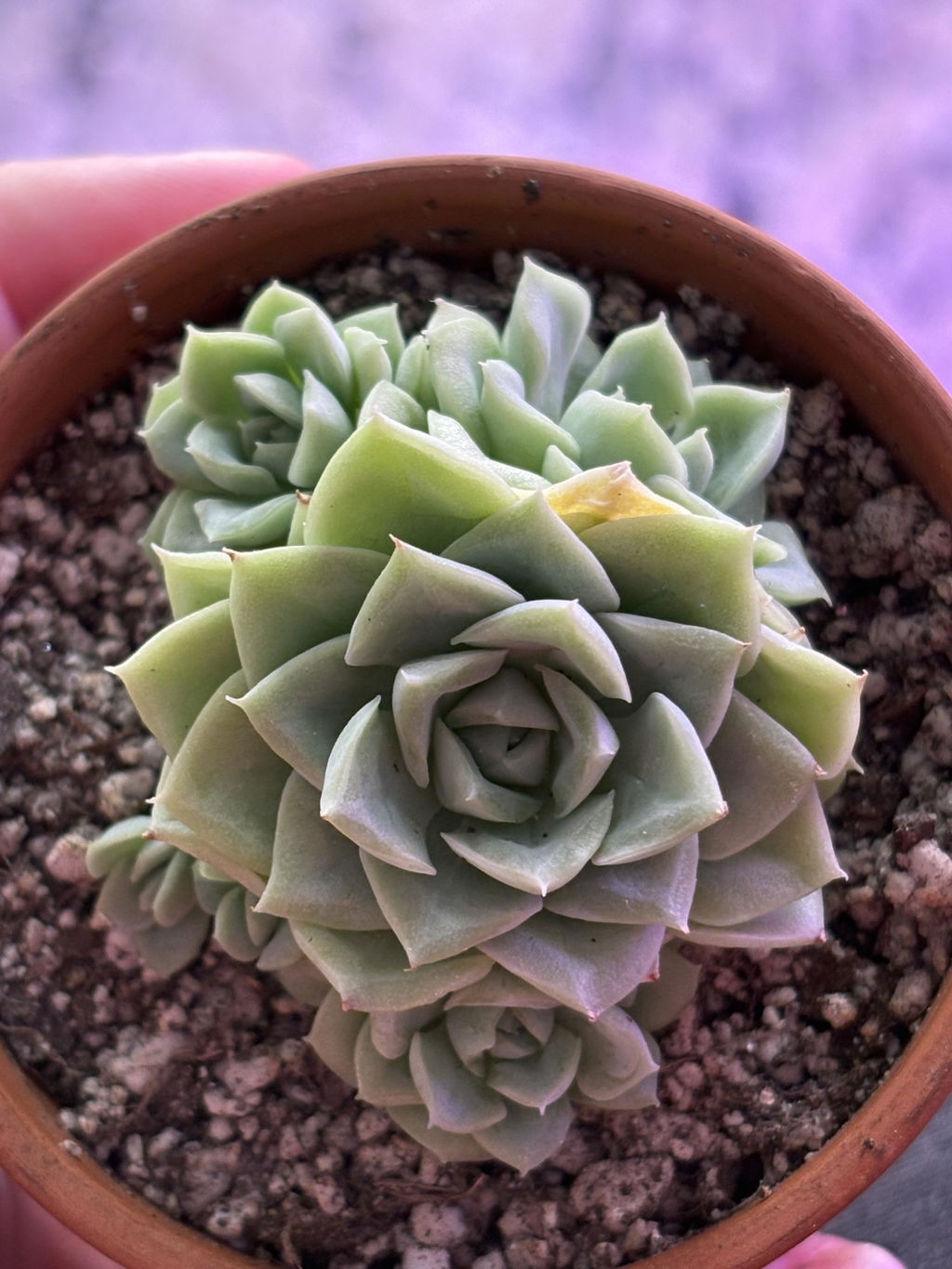
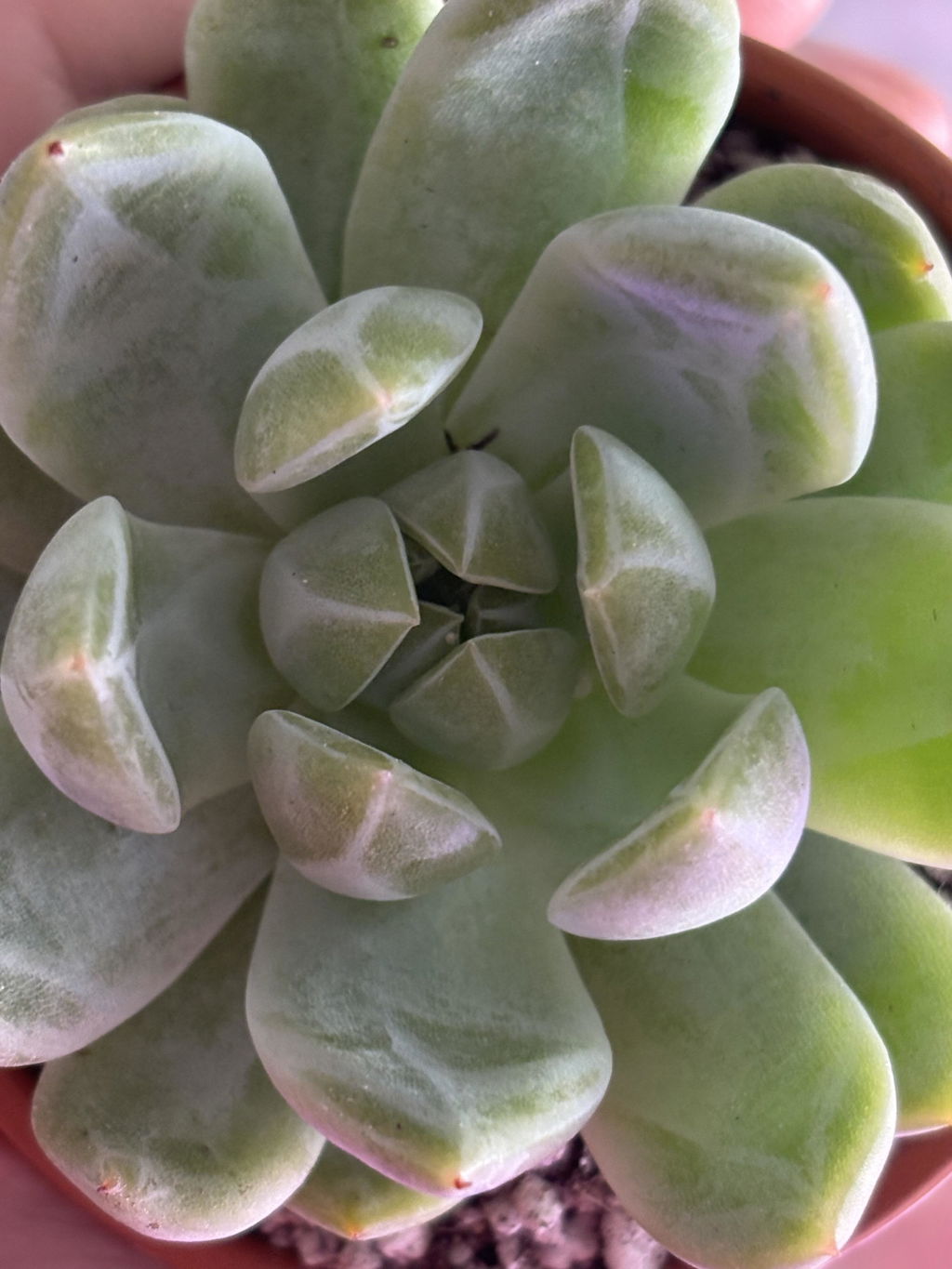
Summer care is generally straightforward for many succulent plants. These hardy, drought-tolerant natives of arid regions adapt easily to warm weather and mild heat, making summer survival a non-issue for common varieties. However, the succulent world is full of "high-risk beauties"—cultivars with breathtaking aesthetics that are extremely vulnerable to summer conditions.
This blog is compiled based on my years of hands-on growing experience and in-depth exchanges with succulent enthusiasts worldwide. It spotlights 15 exceptionally attractive succulent varieties that are notoriously difficult to keep alive in summer. These are the showstoppers that demand meticulous care once the hot, muggy season arrives.
This blog serves as a practical cautionary checklist for beginner succulent growers, while also capturing my mixed love-hate feelings toward these gorgeous yet fickle varieties. In the final section, I will share my personal growing tips to help these succulents survive the hot summer safely.
The List of 15 Summer-Sensitive Succulents
Echeveria derenbergii
Echeveria 'Secunda'
Echeveria Minima
Sedum Clavatum
Cotyledon Tomentosa Variegated / Variegated Bear's Paw
Pachyphytum 'Baby Finger'
Graptopetalum Amethystinum / Pink Moonstone
Echeveria 'Laui'
Echeveria 'Monroe'
Echeveria 'Ice Green'
Cotyledon Orbiculata cv.
Echeveria 'Conch'
Echeveria Cante
Echeveria 'Blood Romeo'
Echeveria Sbucorymbosa Lau 026
Why These Succulents Struggle in Summer
1. Echeveria derenbergii

This classic succulent is extremely sensitive in summer. High heat and humidity easily cause it to shed leaves and develop rot starting from the rosette center or stems. Strictly limiting water — or even withholding water entirely — is mandatory throughout its summer dormancy.
2. Echeveria 'Secunda'

A large, graceful succulent with lovely silvery-blue foliage even when not fully colored, it readily grows into full, dense clumps and develops sturdy woody stems over time. This makes it a much-loved favorite among collectors of mature succulent plants.
Sadly, it has earned the well-known nickname "King of Black Rot" in the summer. In hot and humid environments, it can suffer from sudden and severe stem rot, which can be quite discouraging for new growers—its health often declines rapidly and unexpectedly.
It is generally much harder to care for indoors during summer than outdoors. To give it the best chance, use a well-draining soil mix with plenty of grit, plant it in a spacious pot, and keep it in a shaded, breezy spot outdoors.

3. Echeveria Minima

A tiny, compact succulent with distinct red-tipped leaves, forming tight rosettes like wrapped little buns. It clusters readily and blushes a vivid crimson in ideal light. However, it dies quickly from black rot in stagnant, poorly ventilated conditions, with ultra-strict demands for soil drainage and moisture balance.
4. Sedum Clavatum

Beloved for its delicate fragrance, easy-to-grow old stems, and budget-friendly price, this succulent is a staple in many collections. Yet its leaves soften and turn mushy rapidly in extreme heat. Shading and drastic water reduction are non-negotiable for its survival.
5. Cotyledon Tomentosa Variegated / Variegated Bear's Paw

With fuzzy, paw-shaped leaves that melt every succulent lover’s heart, Cotyledon Tomentosa is an all-time favorite. This charming variety struggles greatly to thrive through hot summers, and its variegated cultivars have notably weaker stress tolerance. Under intense heat, these delicate plants tend to shed leaves excessively and may even dry out and perish entirely.
6. Pachyphytum 'Baby Finger'

Named for its adorable, plump leaves resembling a baby’s tiny fingers, it colors up into a charming pink hue that is utterly endearing. It cannot tolerate heat, humidity, or standing water in the soil—even brief overwatering leads to rapid decline.
7. Graptopetalum Amethystinum / Pink Moonstone

Personally speaking, I wouldn’t rank it among the most breathtaking succulents, as nurturing it into that coveted premium pink appearance calls for ideal growing conditions. Even so, it remains a massive social media favorite. A well-tended Pink Moonstone effortlessly draws far more online attention than the majority of other succulent varieties.
All the same, it struggles greatly through sweltering, muggy summers. Its leaves often stay limp and wilted for long stretches, and getting its watering schedule just right can be quite tricky. Foliage tends to drop off with only a light touch after watering, and intense heat will also cause leaves to turn soft, bloated, and mushy.

8. Echeveria 'Laui'
9. Echeveria Monroe
10. Echeveria Ice Green

I group these three dedicated varieties here, for they share highly similar growth habits and summer vulnerabilities.
All three are absolute crown jewels for succulent collectors. Hardly any plant lover can resist the charm of plump Echeveria ‘Laui’, adorned with a thick, velvety layer of natural farina. This variety is extremely sensitive to high heat and humid air, easily falling victim to center and stem rot. The leaves will turn soft and mushy right after rain.
Additionally, Echeveria ‘Laui’ is tricky to propagate, which keeps its price relatively high.

Just like E. ‘Laui’, Echeveria ‘Orange Monroe’ and Echeveria ‘Ice Jade’ are must-have picks for every succulent collector. Also, they possess very low success rates for leaf propagation. Even with their premium price tags and delicate care needs, their gorgeous translucent jelly-toned foliage makes them incredibly popular among enthusiasts. When it comes to surviving hot summers, these three cultivars face exactly the same growing struggles.
11. Cotyledon Orbiculata cv.

With chubby, farina-dusted leaves that turn a rich red-purple while stressing, Cotyledon Orbiculata cv. is incredibly eye-catching. But it loses leaves drastically in summer, often reduced to a bare stem. It must be fully protected from rain. Even a bare stem can be retained, and new leaves will regrow in autumn.
12. Echeveria 'Conch'

A hybrid with Echeveria Longissima genetics, Echeveria 'Conch' blushes bright red easily and forms a perfectly symmetrical, neat rosette. Its stiff, firm leaves resemble the apex of a conch shell, giving it a unique sculptural charm.
Unfortunately, in summer, the leaf consumption starts from the inner leaves, not from the base, destroying its neat, balanced shape. Even if the plant successfully pulls through the hot season, its ornamental charm will be greatly reduced.
13. Echeveria Cante

Echeveria Cante is a stately, large-sized echeveria covered in a thick coating of delicate white farina, lending it an ethereal, otherworldly beauty. It is notoriously fragile through summer, largely because its watering needs are incredibly difficult to balance.
From shared experiences among fellow succulent growers, Echeveria Cante is highly susceptible to stem rot once hot, humid weather arrives. Following conventional care methods, I once added extra grit and mineral particles to its soil before summer, just as I do for other heat-sensitive succulents. However, I soon discovered that an overly gritty mix does not suit this variety well. It caused the leaf margins to curl, dry out, and wither, which was quite disappointing.

Eventually, I found the ideal solution: cultivating it outdoors with proper shading and full rain protection. Heavy rainfall easily strips away its delicate farina, permanently spoiling its iconic, elegant appearance.
14. Echeveria 'Blood Romeo'

A hybrid of Echeveria 'Romeo' and Echeveria agavoides 'Ebony', I personally find Echeveria Blood Romeo more beautiful than its parent E. Romeo. E. Romeo is already a notoriously difficult succulent, and E. Blood Romeo inherits all its weaknesses: it fears heat and stuffiness, with watering being an impossible balancing act. Too little water, the roots dry out and die; too much water, the roots and leaves develop black rot; rain exposure turns leaves mushy.
As a rule, most Echeveria agavoides series struggle in summer—if you can grow E. Blood Romeo or E. Romeo well, you can master the entire E. agavoides family for sure.
15. Echeveria Sbucorymbosa Lau 026
This succulent is extremely intolerant of summer heat. In hot, stagnant conditions, its leaves drop off instantly after watering. Plus, it is also highly susceptible to sooty mold, which ruins its appearance and spreads rapidly to other succulent varieties.
Key Summary: Why They Fail & How to Save Them
All these varieties share three fatal weaknesses: they fear high heat, high humidity, and poor ventilation. Here are the non-negotiable care tips to boost their survival rate:
Soil Mix (The Most Overlooked Factor)
Nurture strong, healthy roots before summer, then amend the soil to at least 70% gritty particles (pumice, volcanic rock, perlite). Nutrient-rich soil works for fast growth in spring and autumn, but a high-grit mix is mandatory for summer to prevent waterlogging and rot.

The Location Is Critical
Choose a north-facing windowsill with only gentle morning sun—prioritize cool, breezy spots. Outdoor plants need full shading and rain protection. Indoor growers can use air conditioning (if available) or 1-2 electric fans to improve air circulation, a lifesaver for fragile succulents.
Watering & Rain: The Biggest Risks
Water extremely sparingly—only when leaves are severely shriveled. If watering is necessary, do it in the cool of the evening, water along the pot edges, and ensure immediate ventilation to dry the soil quickly. The best strategy: hold off on watering entirely until autumn.

Preventive Care
Water with diluted carbendazim before summer to reduce fungal growth and black rot risk. Cut off flower stalks immediately: flowering drains the succulent’s energy, crushes lower leaves, distorts the rosette, and attracts pests like aphids, mealybugs, and ants.

You might be interested in the succulent varieties that are easy to survive in summer:
10 Succulents Easy to Survive in Summer
Final Thoughts
Growing succulents is wonderfully hassle-free throughout spring, autumn, and winter. During these mild seasons, they enjoy steady growth, develop rich, vibrant hues, and rarely run into health issues. Summer, however, stands out as the most challenging time of year. Much like us humans who feel drained and uneasy in sweltering, muggy conditions, succulents also struggle greatly with seasonal heat stress.
There is no need to feel overly worried or stressed. The true joy of succulent gardening lies not only in appreciating their flawless, stunning appearances at their peak but also in observing their resilience through difficult periods. With gentle, consistent, and thoughtful maintenance all summer long, you will get to witness their beautiful revival as the weather cools down in autumn.