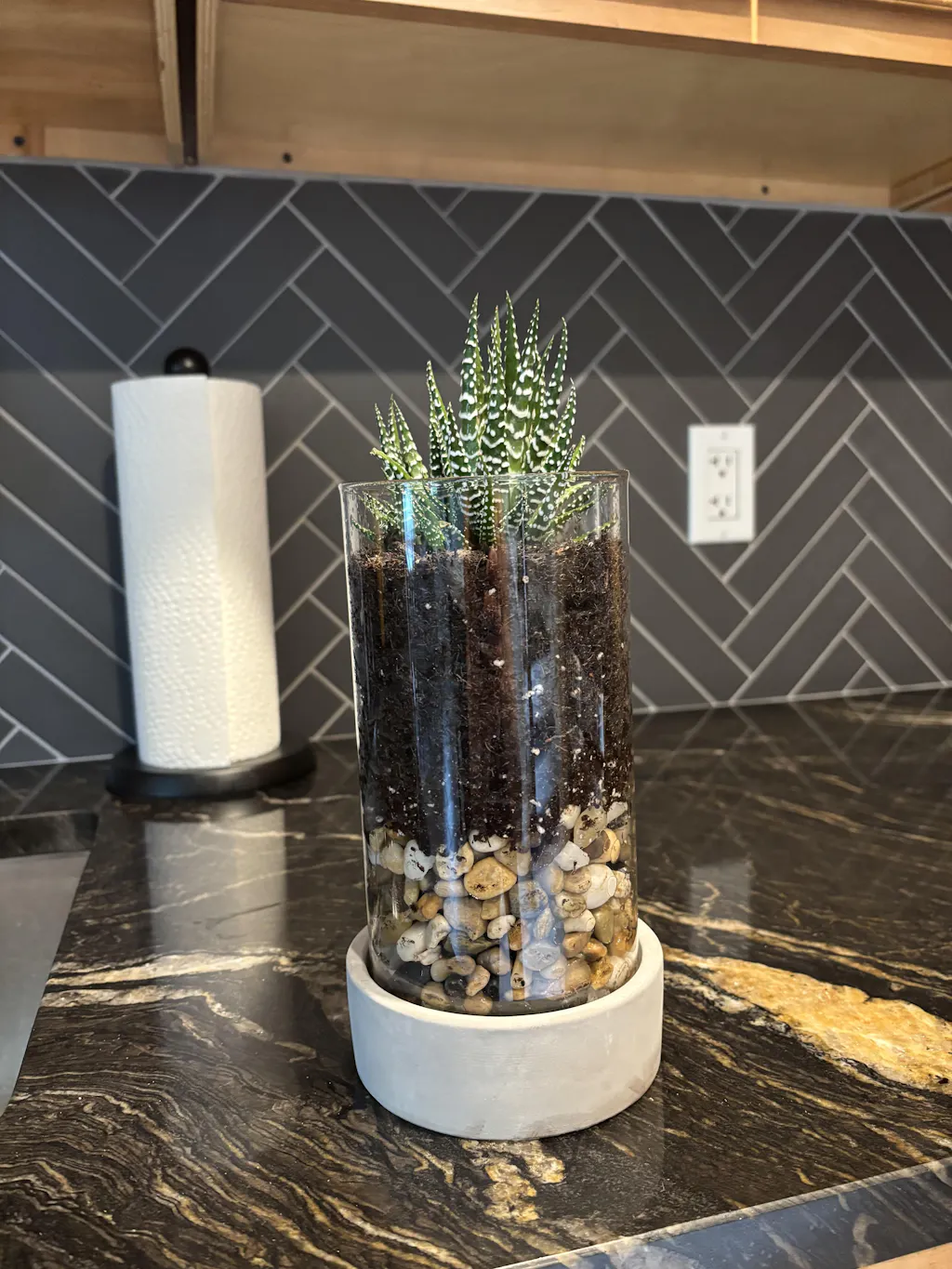
Succulents, with their plump leaves and resilient nature, have become a staple in modern plant collections. Yet, even the hardiest varieties can struggle with rooting—whether you’re propagating from cuttings, leaves, or repotting. While commercial rooting hormones dominate gardening shelves, nature’s pantry holds surprising alternatives. From honey to apple cider vinegar, common household items offer effective, chemical-free ways to encourage healthy root growth. Let’s explore these underrated allies and how they transform succulent propagation.
Honey: Nature’s Antimicrobial Elixir
Honey isn’t just a sweetener; it’s a centuries-old remedy with powerful properties for plants. Its sticky texture and natural compounds make it a standout rooting aid for succulents.
At the core of honey’s effectiveness is its antimicrobial action. Rich in enzymes like glucose oxidase, honey releases small amounts of hydrogen peroxide when diluted, creating an environment hostile to bacteria and fungi—common threats that cause cuttings to rot before rooting. This is especially critical for succulents, whose thick, moisture-retaining tissues are prone to decay during propagation.

Honey also contains trace amounts of vitamins (B-complex, vitamin C) and minerals (magnesium, potassium) that nourish developing roots without overwhelming the cutting. Unlike synthetic hormones, it provides a gentle boost, aligning with the slow, steady growth succulents prefer.
To use honey for rooting: Mix 1 tablespoon of raw, unprocessed honey with 2 cups of warm water. Stir until dissolved, then soak the cut end of your succulent cutting (let it callus for 1–3 days first) for 2–3 hours. Plant in well-draining soil and water sparingly. The honey coating protects the cutting while delivering subtle nutrients, giving roots a head start.

Apple Cider Vinegar: Acidic Balance for Root Health
Apple cider vinegar (ACV) might seem like an unlikely candidate, but its acidic properties and nutrient profile make it a secret weapon for succulent rooting. Succulents thrive in slightly acidic soil (pH 6.0–6.5), and ACV helps regulate this balance, creating optimal conditions for root development.

ACV is fermented from apples, retaining beneficial acids (like malic acid) and trace minerals (potassium, calcium) that stimulate root growth. It also acts as a mild fungicide, preventing soil-borne pathogens from attacking vulnerable cuttings. For succulents, which often struggle with root rot in overly moist soil, this dual action—balancing pH and fighting fungi—is invaluable.
The key is dilution: A strong vinegar solution will harm plants. Mix 1 teaspoon of raw, unfiltered ACV (with the “mother,” a colony of beneficial bacteria) into 1 cup of water. Use this mixture to water newly planted cuttings once every 2 weeks. The diluted ACV won’t burn roots but will gradually lower soil pH and provide micronutrients, encouraging steady root growth.

Cinnamon: Aromatic Root Protector
Cinnamon, a spice cherished for its warm aroma, is also a potent ally for succulent propagation. Its natural antifungal and antibacterial properties make it ideal for protecting cut surfaces, the most vulnerable point for new cuttings.
When a succulent cutting is taken, the wound is susceptible to infection by fungi and bacteria, which can spread and kill the cutting before roots form. Cinnamon powder creates a physical barrier over the wound, preventing pathogens from entering. Additionally, compounds in cinnamon (like cinnamaldehyde) have been shown to inhibit the growth of harmful microbes, further safeguarding the cutting.

Unlike some chemical treatments, cinnamon is gentle and won’t disrupt the cutting’s natural healing process. It also adds a subtle boost to soil health when sprinkled around the base of the plant, though its primary role is protective.
To apply: After letting your succulent cutting callus (a crucial step to seal the wound), dip the cut end in cinnamon powder, coating it lightly. Tap off excess to avoid clumping, then plant as usual. The cinnamon will protect the cutting during the initial weeks, giving roots time to emerge without interference from rot.

Banana Peel Tea: Potassium-Rich Growth Toner
Banana peels, often discarded as waste, are a nutrient goldmine for plants—especially when it comes to rooting succulents. They’re packed with potassium, a mineral vital for root development, as well as calcium, magnesium, and trace elements that support overall plant health.
Potassium plays a key role in cell division and the transport of nutrients within plants, both essential for growing strong roots. For succulents, which store nutrients in their leaves, a steady supply of potassium ensures that energy is directed toward root growth rather than just maintaining existing foliage.

Banana peel tea is easy to make and gentle enough for frequent use. Simply chop 1–2 banana peels into small pieces and soak them in 4 cups of water. Let the mixture sit covered for 3–5 days, stirring occasionally. Strain out the peels, and dilute the resulting tea with an equal amount of water. Use this to water succulent cuttings once a week. The mild, nutrient-rich solution provides a slow release of potassium, encouraging robust root growth without the risk of over-fertilization.
Aloe Vera Gel: Soothing Moisture Regulator
Aloe vera, a succulent itself, is a natural fit for aiding other succulents in rooting. Its gel-like sap is rich in enzymes, amino acids, and growth hormones (like auxins) that stimulate root formation, while its moisture-retaining properties help keep cuttings hydrated without causing rot.
Auxins, naturally present in aloe vera, are plant hormones that promote cell elongation and root development—similar to the synthetic hormones in commercial rooting products but in a more balanced, plant-friendly form. Aloe gel also contains polysaccharides, which lock in moisture around the cutting, preventing desiccation (drying out) during the critical rooting phase.

To use aloe vera: Extract fresh gel from an aloe leaf (avoid store-bought gels with added chemicals). Blend 2 tablespoons of gel with 1 cup of water until smooth. Dip the callused end of your succulent cutting into the mixture, or use a spray bottle to mist the soil around the cutting. The gel will coat the cutting, providing moisture and hormones that kickstart root growth. Reapply every 10 days for best results.
Eggshell Calcium: Building Strong Root Structures
Eggshells, another kitchen scrap, are an excellent source of calcium carbonate—a mineral that strengthens cell walls and supports root structure in succulents. Calcium is essential for root tip development; a deficiency can lead to stunted, weak roots that struggle to absorb water and nutrients.
Eggshells also help balance soil pH, similar to ACV, but in a more alkaline direction—useful if your soil is overly acidic. When crushed, they add drainage to soil mixes, preventing waterlogging, which is crucial for succulent roots that need air as much as moisture.

To prepare eggshells: Rinse them thoroughly to remove egg residue, then let them dry. Crush into a fine powder (a coffee grinder works well) and mix 1 tablespoon of powder into the top layer of soil around your succulent cutting. Over time, the powder will break down, releasing calcium and improving soil structure. For an extra boost, steep crushed eggshells in water for 24 hours and use the strained liquid to water cuttings.
Coffee Grounds: A Nutrient-Rich Boost
Coffee grounds, a common kitchen waste, are packed with nutrients beneficial for succulent rooting. After brewing, coffee grounds retain nitrogen, a key element for leafy growth. In the context of succulent propagation, nitrogen helps the new plant establish a strong vegetative base, which in turn supports root development. The slow decomposition of coffee grounds in the soil releases nitrogen gradually, providing a long - term source of nutrition for the developing roots.

They also contain potassium and phosphorus, along with trace minerals like zinc, copper, iron, magnesium, boron, and calcium. Potassium, as mentioned before, is crucial for cell division and nutrient transport within the plant, while phosphorus plays a vital role in root initiation and early root growth. The combination of these nutrients in coffee grounds creates a well - rounded nutrient package for succulent cuttings.

To use coffee grounds, you can mix them into the soil before planting your succulent cutting. A ratio of about 1 part coffee grounds to 3 - 4 parts soil works well. Be cautious not to overdo it, as too much coffee grounds can make the soil too acidic over time. Another option is to soak the coffee grounds in water for a few days, strain the liquid, and use it as a “coffee - tea” to water your succulents. This diluted solution provides a gentle dose of nutrients to the cuttings.
Willow Water: Nature’s Rooting Hormone
Willow trees have long been known for their beneficial properties in gardening, especially when it comes to promoting root growth. The bark of willow trees contains a natural hormone called indole - 3 - butyric acid (IBA), which is a type of auxin. Auxins are plant hormones that stimulate cell elongation and root formation, similar to the synthetic hormones in commercial rooting products.

When you make willow water, you are essentially extracting this natural rooting hormone. To prepare willow water, collect fresh willow twigs. Cut them into small pieces and soak them in warm water for 24 - 48 hours. The longer you soak, the more concentrated the solution becomes. After soaking, strain out the twigs, and the resulting liquid is your willow water.
Soak the cut end of your succulent cutting in the willow water for 2 - 3 hours before planting. You can also use willow water to water the soil around newly planted cuttings. The IBA in the willow water will encourage the cutting to develop roots more quickly and robustly, giving your succulent propagation a significant head start.
Vermicompost: A Microbial Powerhouse
Vermicompost, also known as worm castings, is the excrement of earthworms. It is a nutrient - rich, dark - colored material that is a fantastic addition to the soil for succulent rooting. Vermicompost is full of beneficial microorganisms, such as bacteria, fungi, and protozoa. These microorganisms help break down organic matter in the soil, making nutrients more available to the plants.

In terms of nutrients, vermicompost contains nitrogen, phosphorus, potassium, as well as micronutrients like iron, manganese, and zinc. The balanced nutrient profile of vermicompost provides a steady supply of food for the developing roots of succulent cuttings. Additionally, the presence of beneficial microbes in vermicompost helps create a healthy soil environment, protecting the cuttings from harmful pathogens.
To use vermicompost, mix it into your succulent potting soil at a ratio of about 10 - 20% vermicompost to soil. You can also top - dress the soil around newly planted cuttings with a thin layer of vermicompost. This will gradually release nutrients into the soil as the worms’ castings break down further, nourishing the roots as they grow.
Nut Shells: A Dual - Purpose Aid
Nut shells, such as those from walnuts, almonds, or hazelnuts, can be a useful addition to the soil for succulent rooting. They serve a dual purpose: improving soil drainage and providing a slow - release source of nutrients.

The hard, irregular shape of nut shells helps create air pockets in the soil, which is crucial for succulent roots that need good aeration. Good drainage prevents waterlogging, a common problem that can lead to root rot in succulents. As the nut shells break down over time, they also release small amounts of nutrients like potassium, phosphorus, and calcium into the soil.

To use nut shells, first, make sure they are clean and free of any salt or seasonings. You can crush them into smaller pieces using a hammer or a mortar and pestle. Mix the crushed nut shells into your succulent potting soil at a ratio of about 10 - 15% nut shells to soil. This will improve the soil structure and provide a long - term, gentle source of nutrients for the developing roots of your succulents.
Compost Tea: Liquid Gold for Roots
Compost tea is a nutrient - rich liquid made by steeping compost in water. It contains a wide range of beneficial microorganisms, as well as dissolved nutrients that are easily absorbed by plants. For succulent rooting, compost tea provides a quick and effective way to supply nutrients to the cuttings.
The nutrients in compost tea include nitrogen, phosphorus, potassium, and micronutrients. The beneficial microorganisms in the tea help break down organic matter in the soil, making nutrients more bio - available. Additionally, these microbes can help suppress harmful pathogens in the soil, protecting the vulnerable cuttings from diseases.

To make compost tea, place a handful of high - quality compost in a cloth bag. Suspend the bag in a bucket of water and let it steep for 3 - 5 days, stirring occasionally. After steeping, remove the compost bag, and the resulting liquid is your compost tea. Dilute the compost tea with an equal amount of water before using. Water your newly planted succulent cuttings with the diluted compost tea once every 2 - 3 weeks. The nutrients and beneficial microbes in the compost tea will support healthy root growth and overall plant vigor.
Conclusion: Embracing Nature’s Rooting Toolkit
Propagating succulents doesn’t require expensive, chemical-laden products. Honey, apple cider vinegar, cinnamon, banana peels, aloe vera, and eggshells—common items found in kitchens and pantries—offer effective, gentle ways to encourage healthy root growth. Each brings unique benefits: antimicrobial protection, pH balance, nutrient delivery, or structural support.
The key to success lies in understanding your succulent’s needs and using these natural boosters in moderation. Always let cuttings callus before planting, use well-draining soil, and avoid overwatering—these practices, combined with nature’s helpers, will lead to strong, thriving roots.
Next time you propagate a succulent, reach for your kitchen instead of the garden center. You’ll not only reduce waste but also foster a deeper connection with the natural world, watching as simple household items transform into powerful allies for your plants.