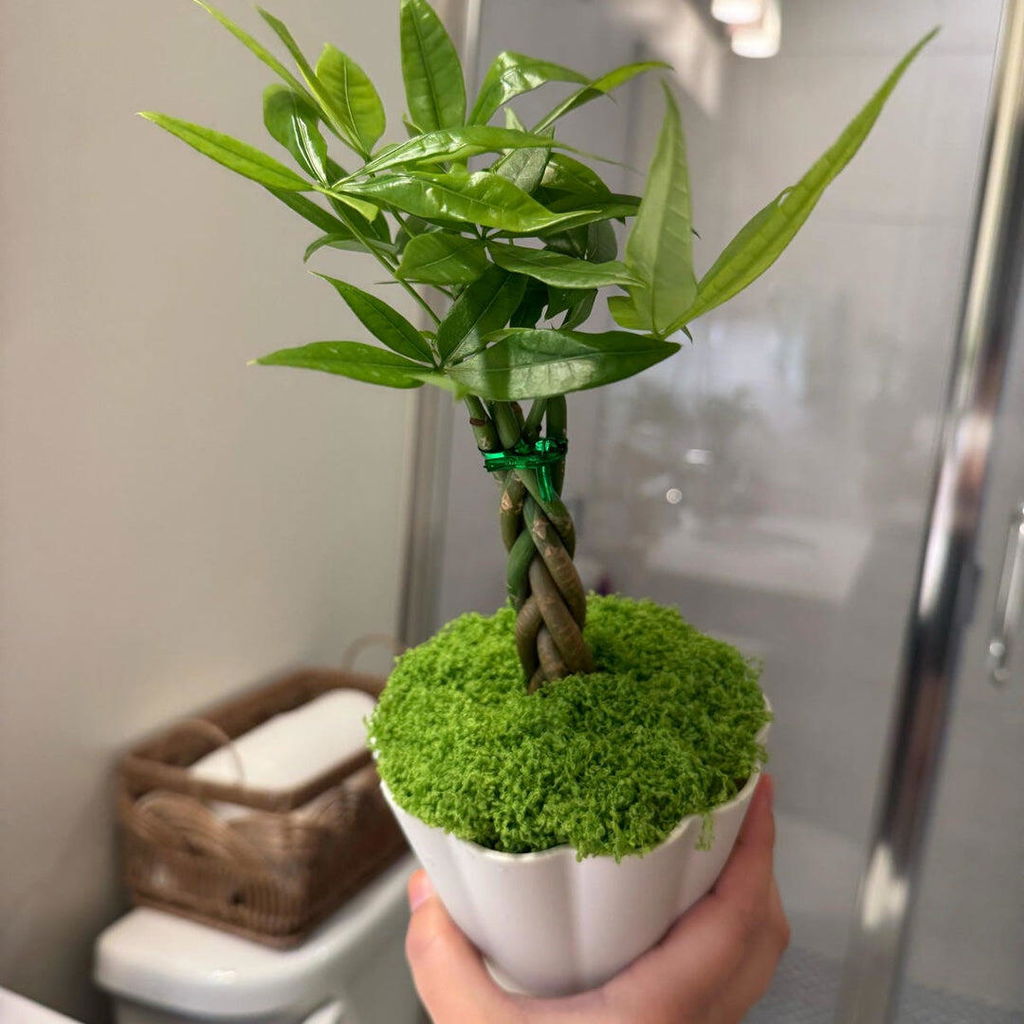
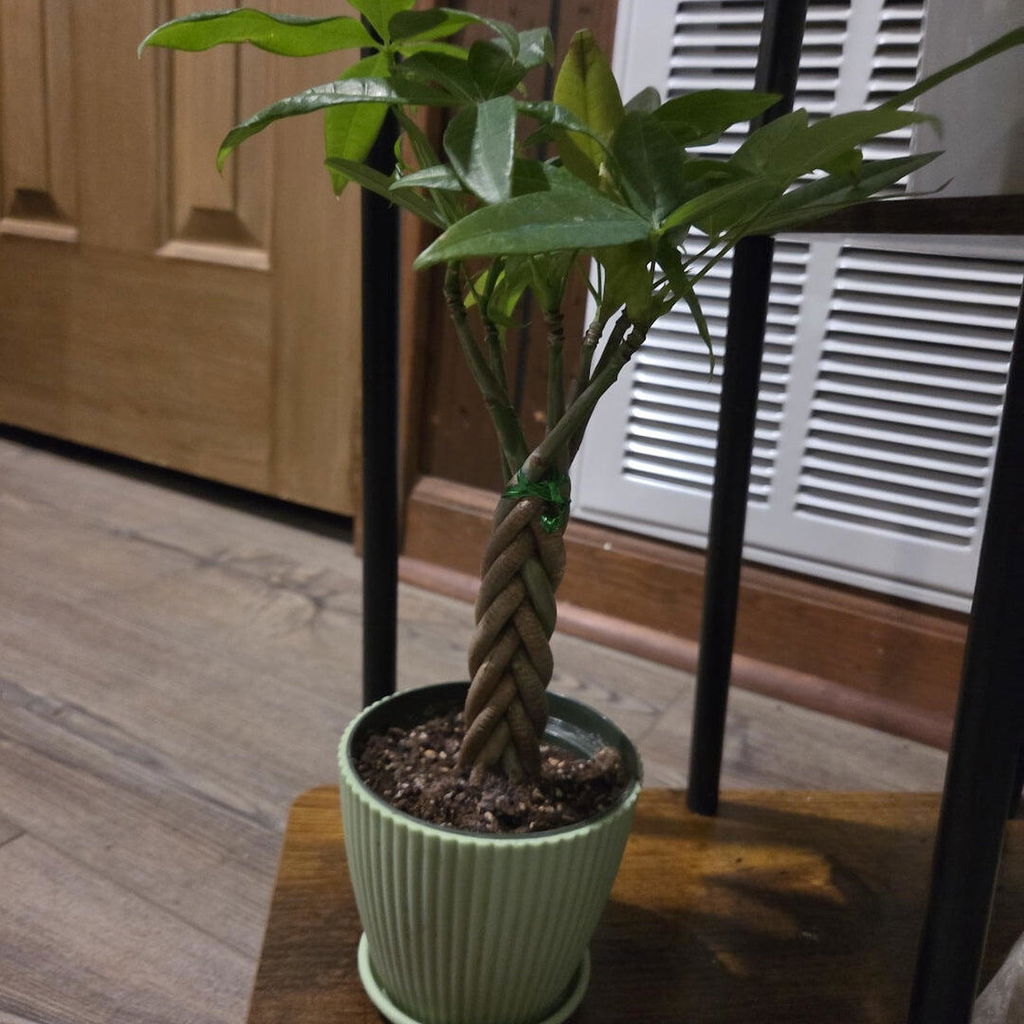
The Money Tree, scientifically known as Pachira aquatica, has secured its place as a beloved staple in homes and offices worldwide. Celebrated for its resilience, attractive braided trunk, and lush, palmate leaves, it’s often marketed as a foolproof plant for beginners. Its reputation, however, can sometimes be a disservice. While undoubtedly hardy, the Money Tree is not immune to distress. When this elegant plant starts to show signs of trouble, it can be a source of significant concern for its caretaker.
Understanding that your plant is communicating its needs is the first step toward becoming a proficient plant parent. The symptoms—yellowing leaves, unsettling brown patches, sudden leaf drop—are not a death sentence but a cry for help. This comprehensive guide is designed to decode those signals. We will explore five of the most common ailments afflicting Money Trees, delving into their root causes and providing clear, actionable solutions to restore your botanical companion to its former glory.

1. The Dilemma of Yellowing Leaves
Identifying the Symptoms:
The emergence of yellow leaves is perhaps the most frequent issue plant owners encounter. The pattern of yellowing is a critical clue. It might begin with a few older, lower leaves turning a uniform pale yellow before eventually dropping. Alternatively, you might see newer growth exhibiting yellowing, sometimes in a patchy or veinal pattern. In severe cases, the entire plant can take on a sickly, chlorotic appearance.

Unveiling the Root Causes:
Yellow leaves are a symptom, not a disease itself. The key is to diagnose the underlying environmental stressor.
Overwatering and Waterlogged Soil: This is the prime suspect. Money Trees, despite their tropical origin, despise "wet feet." When roots are constantly submerged in water, they are deprived of oxygen and begin to suffocate and rot. This root dysfunction directly impairs the plant's ability to uptake water and nutrients, leading to yellowing leaves—a paradox where too much water leads to symptoms of drought.
Nutrient Deficiency: A plant living in the same soil for years will eventually deplete the available nutrients. A lack of essential elements like nitrogen, which is crucial for chlorophyll production, will manifest as a general yellowing, typically starting with the older leaves.
Insufficient Light: While tolerant of lower light, a Money Tree thrives in bright, indirect light. In a dimly lit corner, the plant's photosynthetic processes slow down, and it may begin to shed some of its older, less efficient leaves, which yellow first, to conserve energy for new growth.
Natural Senescence: It is perfectly normal for a Money Tree to occasionally shed one or two of its oldest, bottom-most leaves as part of its natural growth cycle. If this is an isolated and infrequent event, there is likely no cause for alarm.
Your Action Plan for Recovery:
Conduct a Soil Moisture Audit: Before doing anything else, check the soil. Insert your finger about two inches deep. If it feels soggy, overwatering is the likely culprit. Immediately cease watering and allow the soil to dry out considerably.

Assess the Root Zone: If yellowing is widespread, gently remove the plant from its pot to inspect the roots. Healthy roots are firm and white or tan. Soft, mushy, dark brown or black roots indicate root rot.
Repot if Necessary: For root rot, the solution is repotting. Carefully wash the roots and prune away all rotted parts with sterile shears. Repot the plant into a clean pot with ample drainage holes, using a fresh, well-draining potting mix amended with perlite or orchid bark to enhance aeration.
Adjust Your Fertilization Regimen: During the growing season (spring and summer), feed your Money Tree with a balanced, water-soluble fertilizer diluted to half-strength, once a month. Refrain from fertilizing in the dormant winter months.

Optimize Light Exposure: Ensure your plant receives plenty of bright, indirect sunlight. An east-facing window is ideal, or a spot a few feet back from a south or west-facing window.
2. The Concern of Brown or Black Leaf Tips and Spots
Identifying the Symptoms:
This problem manifests as crispy, brown tips on the leaflets or as unsightly brown or black patches on the leaf surfaces. These spots may feel dry and brittle or, in the case of certain diseases, soft and water-soaked.

Unveiling the Root Causes:
Browning is often linked to issues with moisture—but in the air, not just the soil.
Low Humidity: Native to humid wetlands, Money Trees struggle in the dry air produced by heating and air conditioning systems. Low humidity causes leaf tips and edges to dry out and turn brown.
Inconsistent Watering Practices: Fluctuating between periods of drought and deluge creates immense stress. Underwatering will cause the leaves to dry from the tips inward, while overwatering can lead to oedema, where cells burst and create corky, brown spots.
Water Quality: Money Trees can be sensitive to the chemicals in tap water, particularly fluoride and chlorine. This "chemical burn" often appears as brown tips and margins.
Sunburn: Direct, harsh sunlight will scorch the delicate leaves, leaving behind bleached, brown, crispy patches. This is distinct from the marginal browning caused by humidity issues.
Fungal or Bacterial Leaf Spot: Overhead watering or excessive moisture on the leaves can foster fungal or bacterial growth, which appears as distinct, often dark-ringed spots on the foliage.
Your Action Plan for Recovery:
Boost Humidity Levels: Group your plant with others to create a microclimate, place it on a pebble tray filled with water (ensuring the pot sits above the waterline), or use a room humidifier. Misting is a temporary solution but is less effective and can promote fungal issues if overdone.

Perfect Your Watering Technique: Water deeply and thoroughly only when the top 1-2 inches of soil are dry. Allow excess water to drain completely from the pot's base, and never let the plant sit in a saucer of standing water.
Switch to Filtered or Rain Water: If you suspect tap water is the issue, switch to watering with distilled water, rainwater, or filtered water that has been left out for 24 hours to allow chlorine to dissipate.

Relocate Away from Direct Sun: Move your Money Tree to a location where it is protected from the intense, direct rays of the midday sun.
Address Leaf Spot: Prune affected leaves with sterile tools to prevent spread. Improve air circulation around the plant and avoid splashing water on the leaves. In persistent cases, an organic fungicide may be necessary.
3. The Distress of Leaf Drop
Identifying the Symptoms:
Your Money Tree begins shedding leaves, sometimes quite abruptly. This can range from a gradual loss of a few leaves to a sudden, alarming defoliation.

Unveiling the Root Causes:
Leaf drop is a dramatic stress response. The plant is essentially sacrificing parts of itself to conserve resources.
Environmental Shock: The most common cause is a sudden change in environment. This includes bringing the plant home from the store, moving it to a new location, or significant shifts in temperature and light with the seasons.
Improper Watering (Both Over and Under): As with yellowing, both extremes of watering can trigger leaf drop. Soggy roots cannot support the foliage, and a severely dehydrated plant will drop leaves to reduce transpiration.
Temperature Stress: Money Trees prefer stable, warm temperatures between 65°F and 80°F (18°C - 27°C). Cold drafts from windows or doors, as well as hot blasts from heating vents, can cause significant leaf loss.
Pest Infestation: A severe pest problem (which we will detail in section 5) can weaken the plant to the point of defoliation.
Your Action Plan for Recovery:
Seek Stability: Once you find a spot where your Money Tree is thriving, try to leave it there. Avoid moving it frequently. When a move is necessary, try to acclimate it gradually.

Eliminate Drafts: Keep your plant away from air conditioning vents, drafty windows, and radiators. Consistent temperature is key.
Re-evaluate Your Watering Habits: Return to the fundamentals of checking soil moisture. Establish a consistent watering schedule based on the plant's needs and the seasonal changes in your home, rather than a rigid calendar.
Be Patient: If the leaf drop is due to environmental shock and you have corrected the conditions, the plant will often stabilize on its own. Continue to provide optimal care and wait for new growth to emerge.
4. The Critical Issue of Root Rot
Identifying the Symptoms:
Root rot is a stealthy killer because the damage occurs below the soil surface. Above ground, you may notice a combination of the symptoms above: yellowing leaves, wilting that doesn't resolve with watering, stunted growth, and a general decline in the plant's health. A telltale sign is a foul, musty odor emanating from the soil. The base of the trunk may also feel soft and unstable.

Unveiling the Root Causes:
Root rot is primarily a cultural problem, not a pest-related one.
Chronic Overwatering: This is the direct cause. Soil that remains constantly waterlogged creates an anaerobic environment that is hospitable to root-rot fungi like Pythium and Phytophthora.
Poorly Draining Soil: Using a heavy, compacted potting mix that retains too much moisture is a major contributing factor.
Inadequate Drainage: A pot without drainage holes is a death sentence for a Money Tree, as it traps all excess water at the bottom.
Your Action Plan for Recovery:
This requires immediate and decisive action.
Unpot and Inspect: Gently remove the plant from its pot and carefully wash the root ball under lukewarm water to see the roots clearly.
Perform Root Surgery: Using sharp, sterile scissors or pruners, cut away every single root that is mushy, slimy, dark brown, or black. Healthy roots are firm and white or tan. Be ruthless; any rot left behind will spread.

Prune the Foliage: To compensate for the reduced root system, prune back about one-third to one-half of the foliage. This reduces the demand on the compromised roots, giving them a chance to recover.
Repot with Fresh Soil: Discard the old soil. Clean the pot with a bleach solution or use a new one. Repot using a very well-draining mix; a cactus/succulent blend or a standard potting mix with 50% added perlite is excellent.
Water Cautiously: After repotting, water the plant lightly to settle the soil. Then, wait until the soil is nearly completely dry before watering again. The goal is to provide moisture without resuming waterlogged conditions.
5. The Invasion of Pests
Identifying the Symptoms:
Even indoors, Money Trees can fall prey to sap-sucking insects. Look for subtle signs: sticky residue on leaves or nearby surfaces (honeydew), tiny webbing in leaf axils and undersides, or small, stationary bumps on stems and leaves. The plant may also exhibit stunted or distorted new growth.

Unveiling the Root Causes:
Pests often target plants that are already stressed, but they can appear on any plant.
Stress Attracts Pests: A plant weakened by incorrect watering, poor light, or nutrient deficiency is more susceptible to infestation.
Introduction from New Plants: The most common way pests enter a home is on newly purchased plants.
Dry, Stagnant Air: Low humidity and poor air circulation can create an ideal environment for pests like spider mites to thrive.
Your Action Plan for Recovery:
Isolate the Plant: Immediately separate the affected Money Tree from your other plants to prevent the pests from spreading.
Identify the Culprit:

Spider Mites: Tiny, spider-like creatures causing fine stippling and webbing. They thrive in dry conditions.
Mealybugs: Appear as small, white, cottony masses in leaf axils and on stems.
Scale: Look like small, brown, tan, or white bumps stuck to stems and the undersides of leaves.
Aphids: Small, soft-bodied insects, usually green or black, clustered on new growth.
Initial Physical Removal: For mealybugs and scale, dip a cotton swab in rubbing alcohol and dab it directly on each insect to dissolve its protective coating. A strong spray of water in a shower or sink can dislodge aphids and spider mites.

Apply Insecticidal Soap or Neem Oil: Thoroughly spray the entire plant, paying meticulous attention to the undersides of leaves and all stem junctions, with an insecticidal soap or a neem oil solution. These are contact pesticides that are safe for the plant but effective against soft-bodied pests. Repeat applications every 7-10 days for at least three cycles to address newly hatching eggs.

Promote Plant Health: Once the infestation is under control, focus on providing the best possible care. A healthy, vigorously growing Money Tree is your best long-term defense against future pest problems.
Conclusion
While the Money Tree is a resilient companion, it communicates its needs clearly through its foliage. By learning to interpret the signals of yellowing, browning, and leaf drop, and by understanding the grave dangers of root rot and pests, you can move beyond simple maintenance into the realm of true plant stewardship. The solutions are almost always rooted in the fundamentals: balanced watering, appropriate light, stable temperatures, and vigilant care. With this knowledge, you are well-equipped to not only solve these common problems but to prevent them, ensuring your Money Tree remains a vibrant and prosperous feature in your home for years to come.